LLP Compliances: Everything You Need to Know for Smooth Business Operations
A Limited Liability Partnership (LLP) is one of the most preferred business structures for startups, professionals, and small businesses because it offers limited liability protection along with operational flexibility. However, every LLP registered in India must comply with certain legal and regulatory requirements to avoid penalties and maintain active business status. Understanding LLP compliances is essential for ensuring smooth and hassle-free business operations.
According to compliance experts, LLPs are required to complete annual filings and maintain proper financial records even if the business has minimal transactions or no turnover.
What Are LLP Compliances?
LLP compliances refer to the mandatory legal filings, financial reporting, tax submissions, and regulatory obligations that every LLP must complete under the Limited Liability Partnership Act, 2008. These compliances are monitored by the Ministry of Corporate Affairs (MCA) and Income Tax Department.
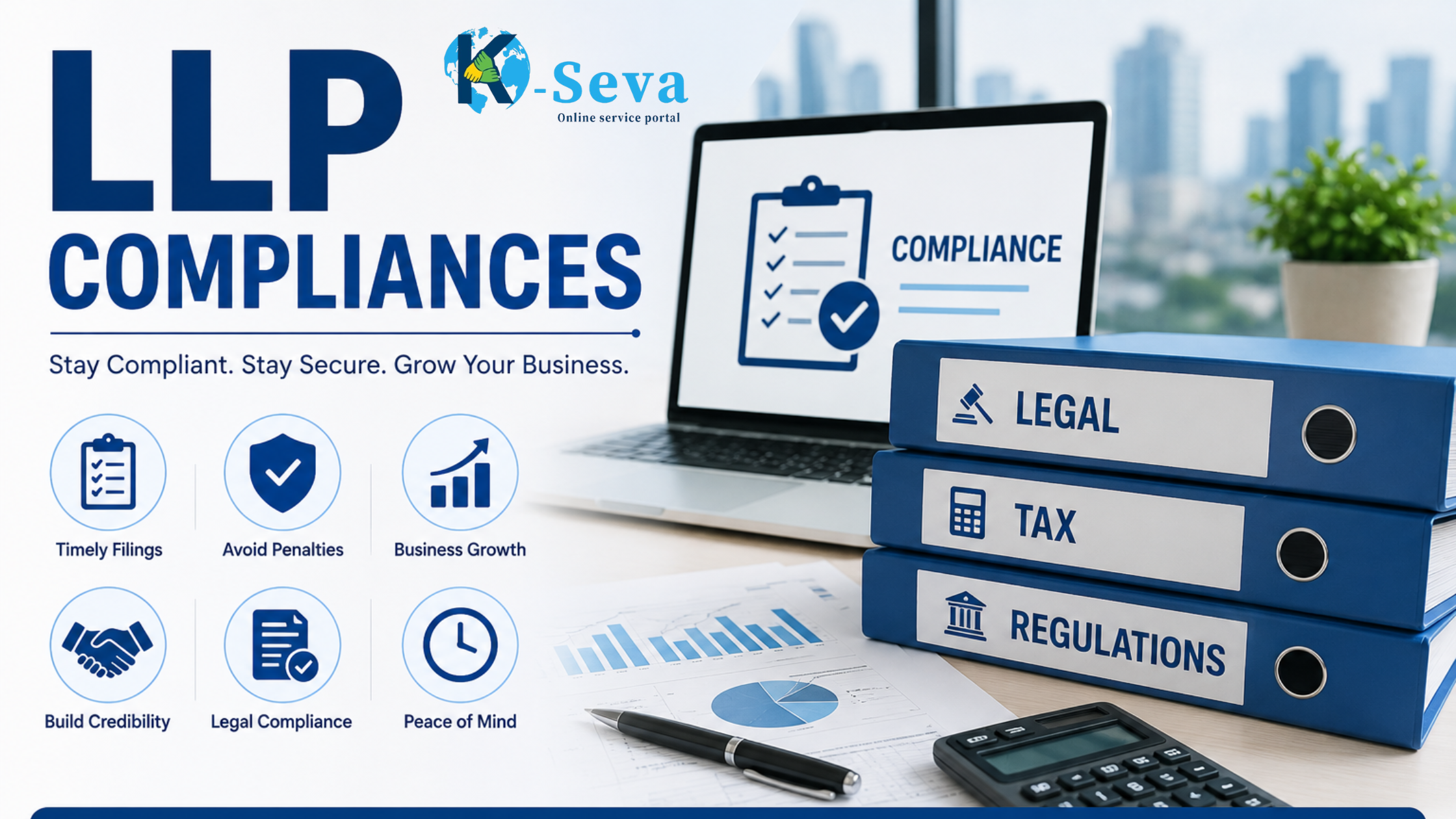
Timely compliance helps businesses:
- Avoid heavy penalties
- Maintain legal status
- Improve business credibility
- Simplify future funding and banking processes
- Ensure smooth operational continuity
Important Annual LLP Compliances
1. Filing of Form 11 – Annual Return
Every LLP must file Form 11 annually with the MCA. This form contains details about partners, contribution structure, and business information.
- Due Date: 30th May every year
- Mandatory even if there is no business activity
2. Filing of Form 8 – Statement of Accounts & Solvency
Form 8 contains the LLP’s financial position, assets, liabilities, and solvency declaration.
- Due Date: 30th October every year
- Must be certified by designated partners and professionals when applicable
3. Income Tax Return Filing
All LLPs must file income tax returns irrespective of profit or loss.
- Applicable under the Income Tax Act
- Audit requirements may apply based on turnover limits
4. GST Return Filing
If the LLP is registered under GST, monthly, quarterly, or annual GST returns must be filed based on the business category and turnover.
Common GST compliances include:
- GSTR-1
- GSTR-3B
- Annual GST return
5. Maintenance of Books of Accounts
Every LLP is required to maintain proper accounting records, invoices, financial statements, and supporting documents.
Proper bookkeeping helps during:
- Tax filing
- Audits
- Loan applications
- Financial planning
Event-Based LLP Compliances
Apart from annual compliances, LLPs must also complete certain filings whenever business changes occur, such as:
- Addition or resignation of partners
- Change in LLP agreement
- Change in registered office address
- Change in business activity
- Increase in capital contribution
Failure to update these changes within the prescribed timelines may result in penalties.
Penalties for Non-Compliance
Non-compliance with LLP regulations can lead to significant penalties and legal complications. Delayed filing fees may accumulate daily until compliance is completed. Experts highlight that even inactive LLPs are still required to complete mandatory annual filings.
Businesses on online forums frequently discuss how missed MCA deadlines and lack of professional guidance can create unnecessary financial burdens for startups and small companies.
Benefits of Timely LLP Compliance
Maintaining proper LLP compliance offers several business advantages:
- Builds trust with banks and investors
- Helps secure loans and funding
- Improves business transparency
- Prevents legal notices and penalties
- Ensures uninterrupted business operations
- Enhances company reputation
Why Professional Compliance Support Matters
Many startups and entrepreneurs prefer professional assistance for LLP compliance management to avoid filing errors and missed deadlines. Compliance professionals help businesses manage ROC filings, GST returns, tax filings, and documentation efficiently. Online discussions among founders also suggest that structured compliance support reduces confusion and helps businesses stay organized.
Final Thoughts
LLP compliances are an important part of running a legally secure and financially organized business. Whether your LLP is newly registered or already operational, timely filing of returns, maintaining accurate records, and meeting statutory deadlines are essential for long-term business success. Proper compliance management not only helps avoid penalties but also strengthens your business credibility and growth opportunities.