GST Reconciliation Gains Momentum as Businesses Prioritize Tax Compliance and ITC Accuracy
As GST regulations continue to evolve, businesses across India are placing greater emphasis on GST reconciliation processes to ensure accurate tax reporting and compliance. Financial experts report that companies are increasingly investing in reconciliation services to identify mismatches between accounting records and GST returns before filing deadlines.
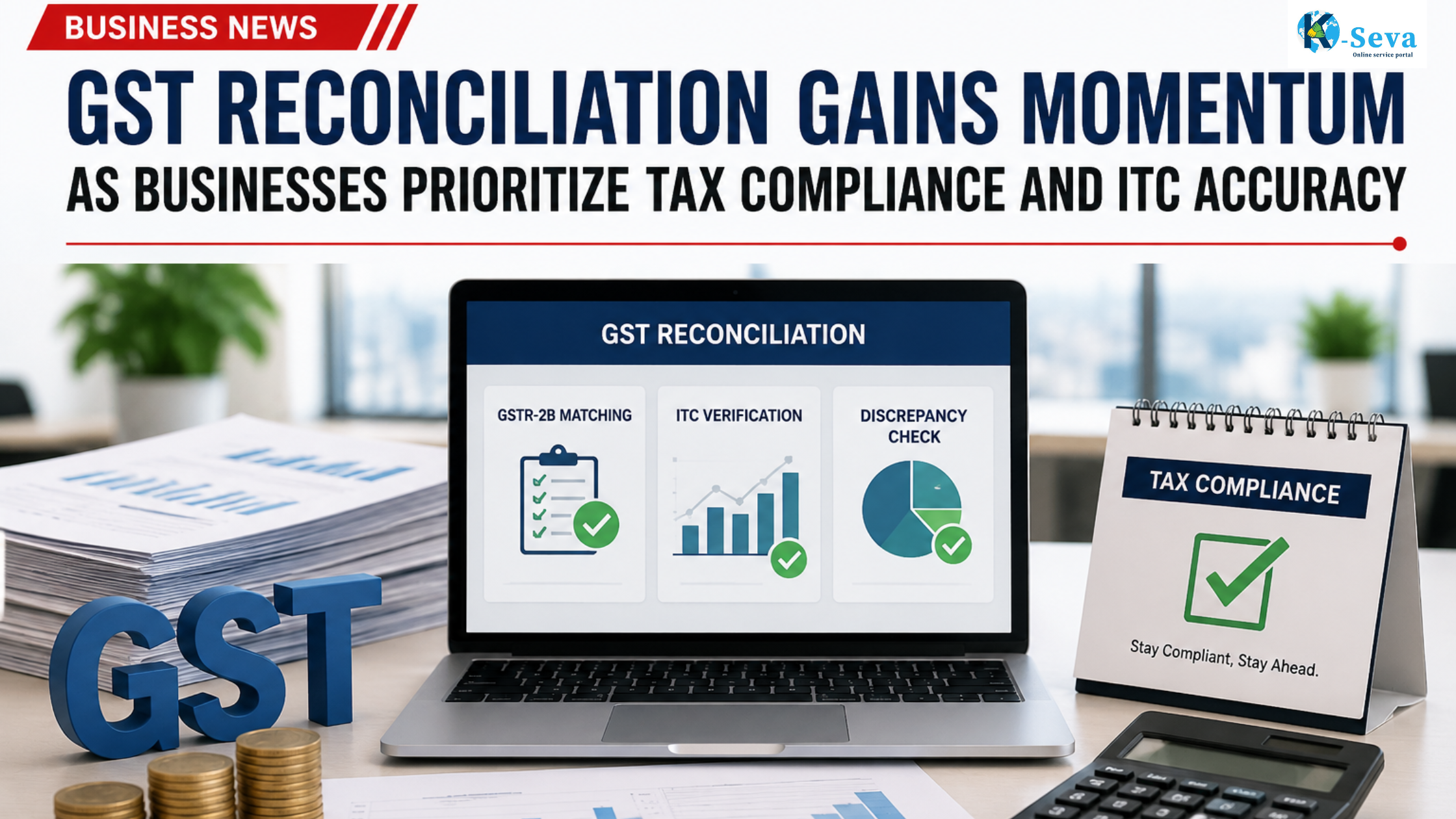
One of the key drivers behind this trend is the growing importance of accurate Input Tax Credit (ITC) claims. Businesses are actively comparing purchase registers with GSTR-2B data to detect missing invoices, vendor filing delays, and discrepancies that could impact tax credit eligibility. Industry professionals believe that regular reconciliation can significantly reduce the risk of GST notices and financial penalties.
Technology-driven reconciliation solutions are also gaining popularity among small and medium enterprises (SMEs). Automated tools help organizations match large volumes of invoices, identify duplicate entries, and verify tax amounts with greater efficiency. This shift toward digital compliance is helping businesses improve financial accuracy while reducing manual workload.
Tax consultants suggest that GST reconciliation will remain a critical business function as authorities continue to strengthen compliance monitoring. Companies that conduct regular reconciliations are better positioned to maintain accurate records, optimize working capital through eligible ITC claims, and ensure smooth GST return filing throughout the financial year.